


SEA-DWELLER
Even deeperWhen it was launched, the Oyster Perpetual Sea-Dweller addressed a new challenge: supporting professional divers spending extended time underwater. Since then, the watch has accompanied the development of saturation diving and played a role in some of the feats that have marked humanity’s conquest of the deep.
First milestone
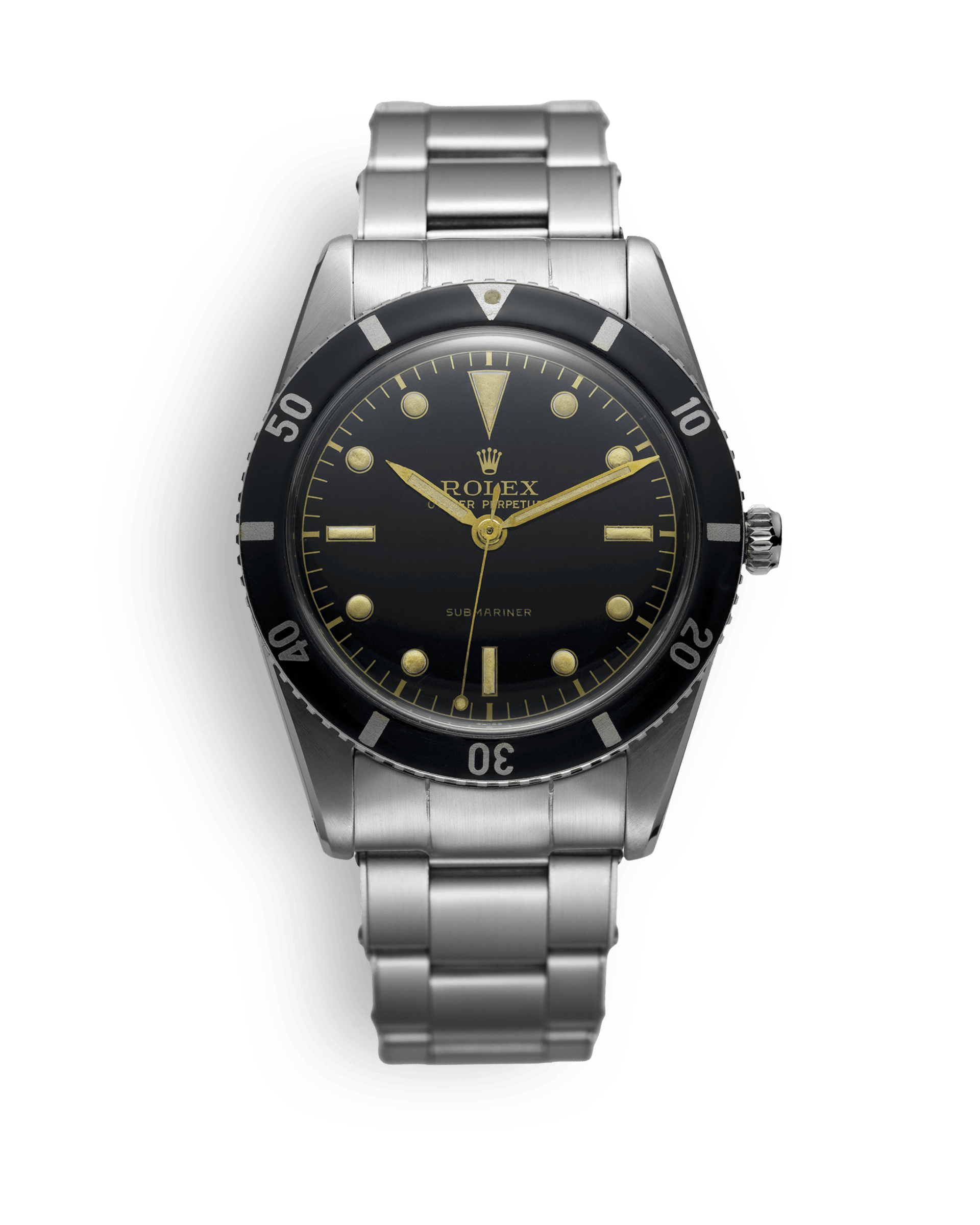
Rolex launched the Oyster Perpetual Submariner, the brand’s first divers’ watch guaranteed waterproof to a depth of 100 metres (330 feet). It also allowed divers to monitor their time underwater thanks to its graduated rotatable bezel. Designed specifically for professionals, the Submariner marked the beginning of Rolex’s association with the world of diving.
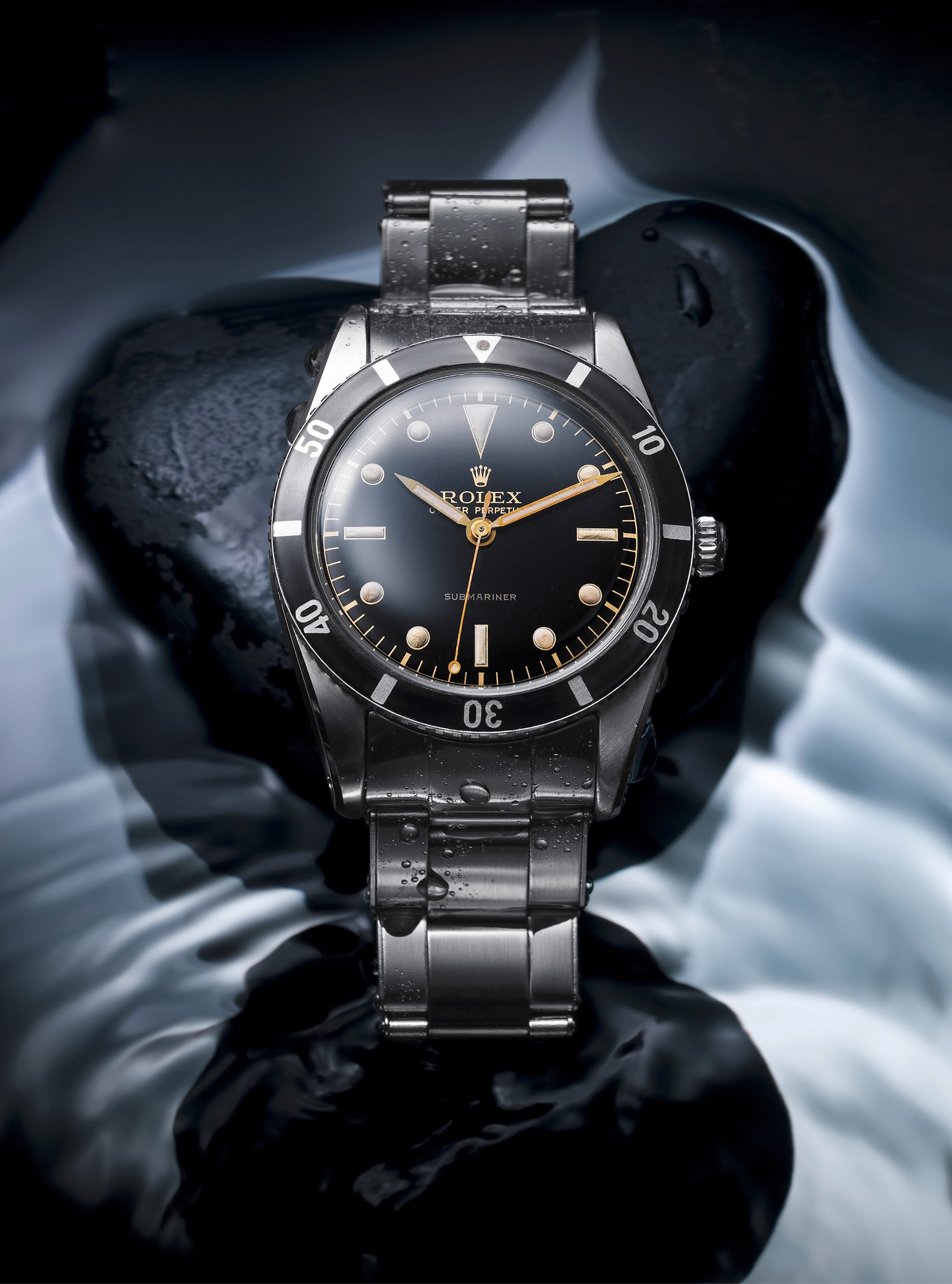
1953

A tool watch for professionals
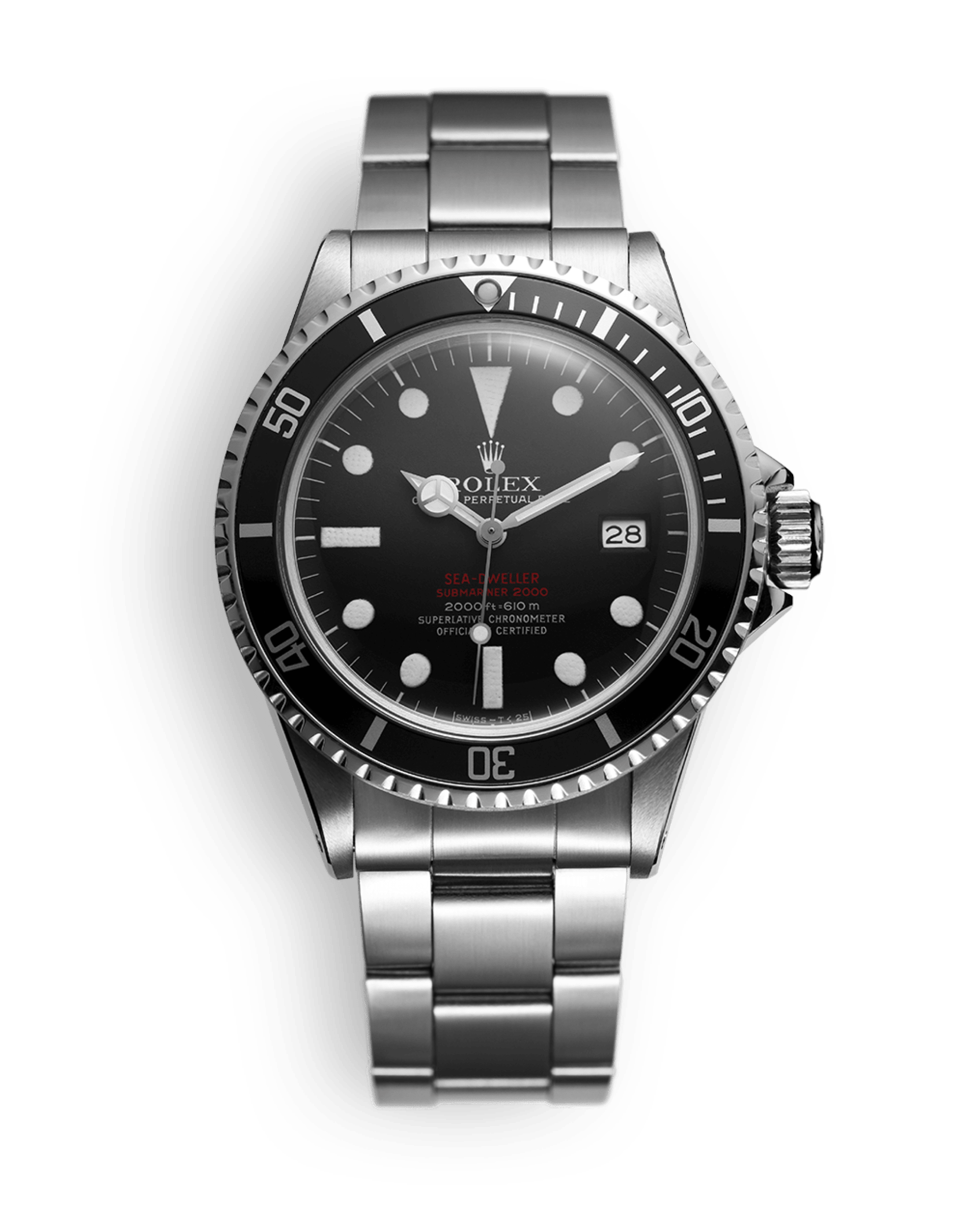
To support lengthy underwater missions and better manage the decompression phases, Rolex launched the Sea-Dweller. This watch, which was waterproof to a depth of 610 metres (2,000 feet), was specially designed for saturation diving. Its patented helium escape valve released the excess pressure that built up inside the case during the return to the surface.

1967
Tektite missions
Two missions were conducted as part of the Tektite underwater habitat science programme, led by NASA, the US Navy and the US government.

The Sea-Dweller was tested in real-world conditions and, in doing so, supported the first major experiments in long-term underwater living. Sylvia Earle, a marine biologist and future Rolex Testimonee, led an all-women team as part of the Tektite II project.

1969-1970

Reinforced waterproofness
Rolex unveiled a major technical innovation: the Triplock winding crown, featuring three waterproof seals. It was recognizable by its three raised symbols under the Rolex emblem. The Submariner and Sea-Dweller were the first Rolex divers’ watches to incorporate this innovation.
1970

A new depth
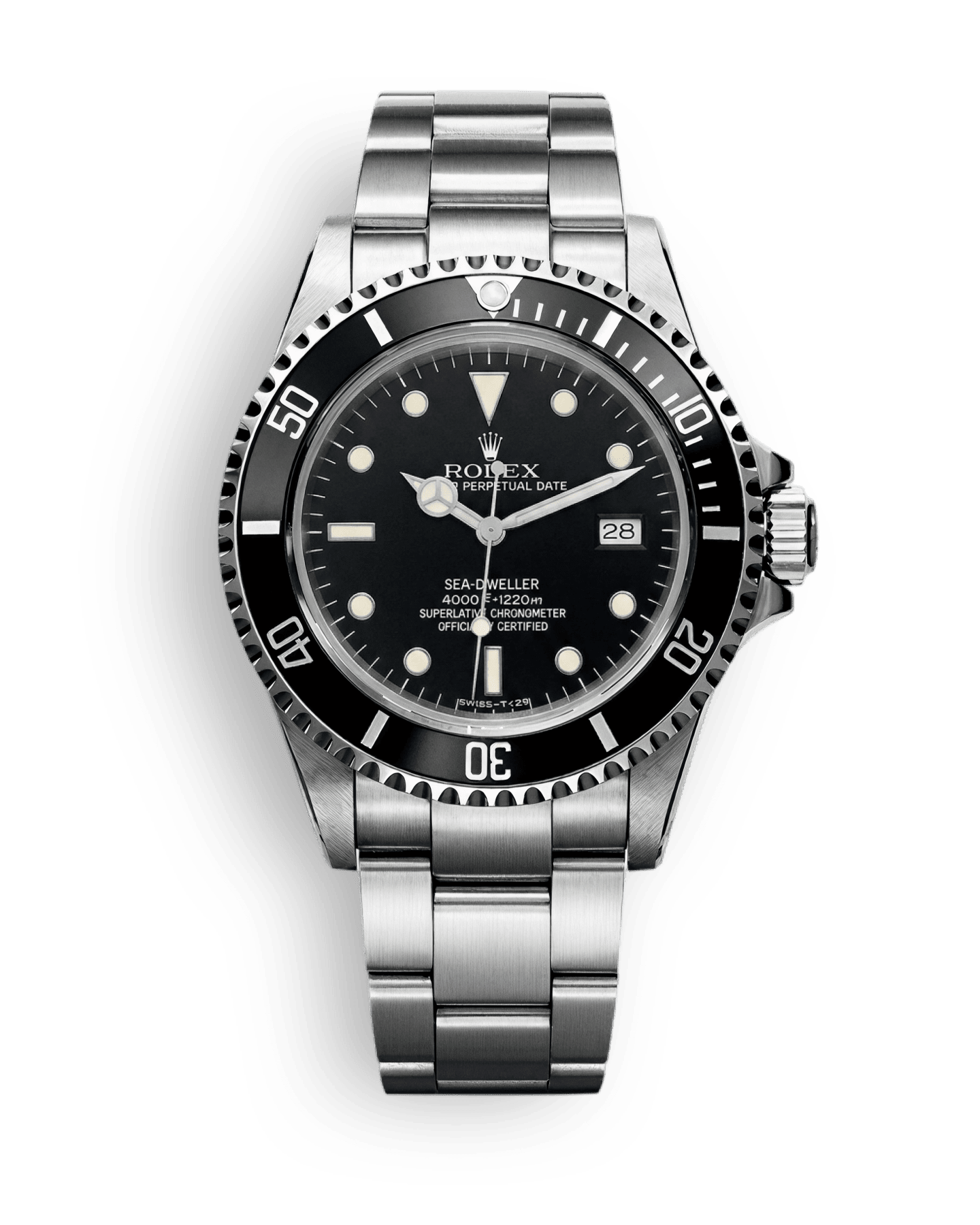
The Sea-Dweller was now guaranteed waterproof to a depth of 1,220 metres (4,000 feet). This enhanced performance was tried and tested in hyperbaric chambers developed in partnership with Comex.
1978

Hydra VIII, a record in the open sea
Comex organized the Hydra VIII expedition, during which six divers equipped with Sea-Dweller watches descended in a hyperbaric chamber into the waters of the Mediterranean. At a depth of 534 metres (1,750 feet), they left their pressurized habitat and successfully connected two sections of a pipeline. This open-water diving record remains unbroken to this day.
1988

Hydra X, a record in simulated diving
As part of the Hydra X programme, Théo Mavrostomos became the first person to reach a depth of 701 metres (2,300 feet) in a simulated dive in a hyperbaric chamber – a record that still stands today. Throughout the 43 days of his mission, the Comex diver wore a Sea-Dweller.
1992
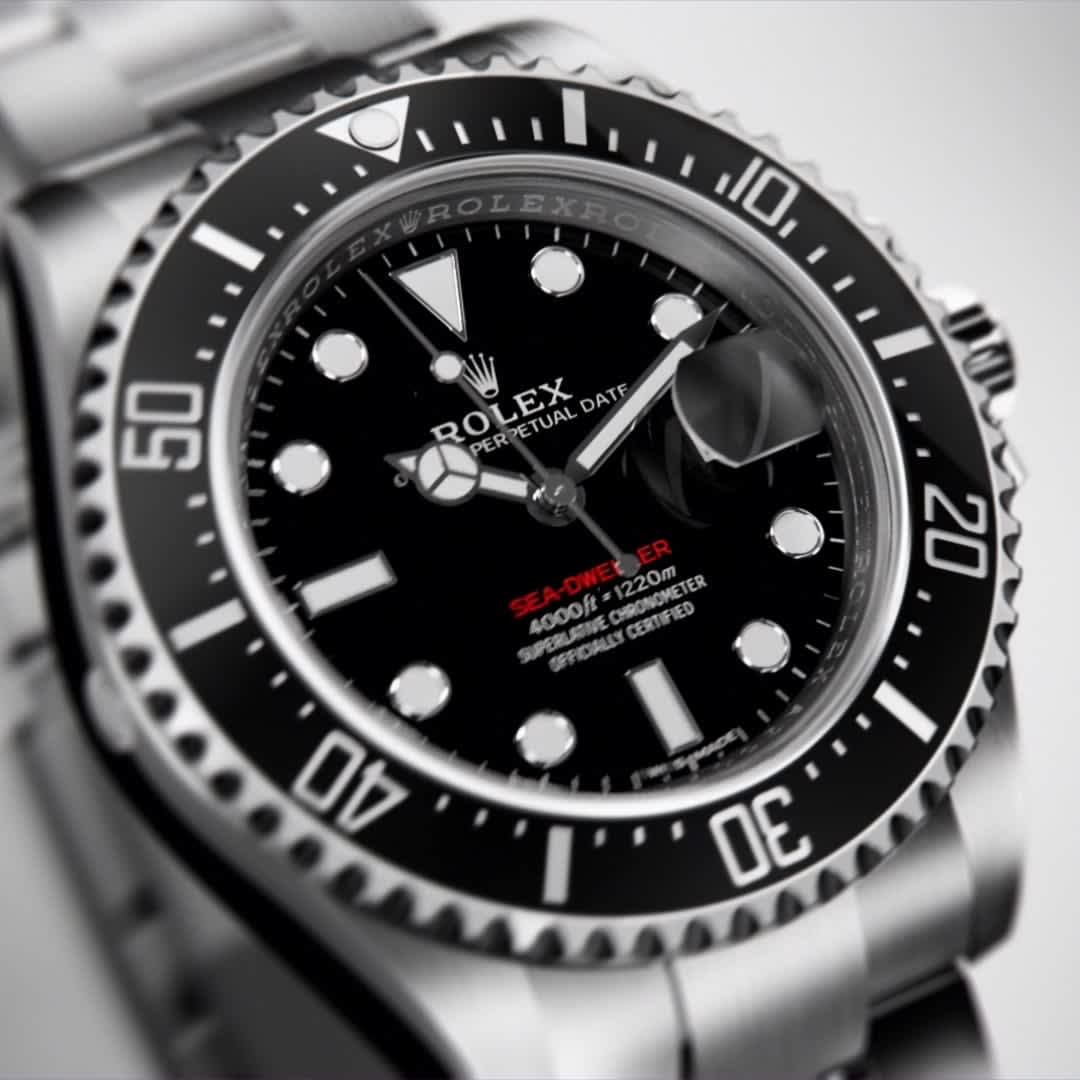
The new-generation Sea‑Dweller
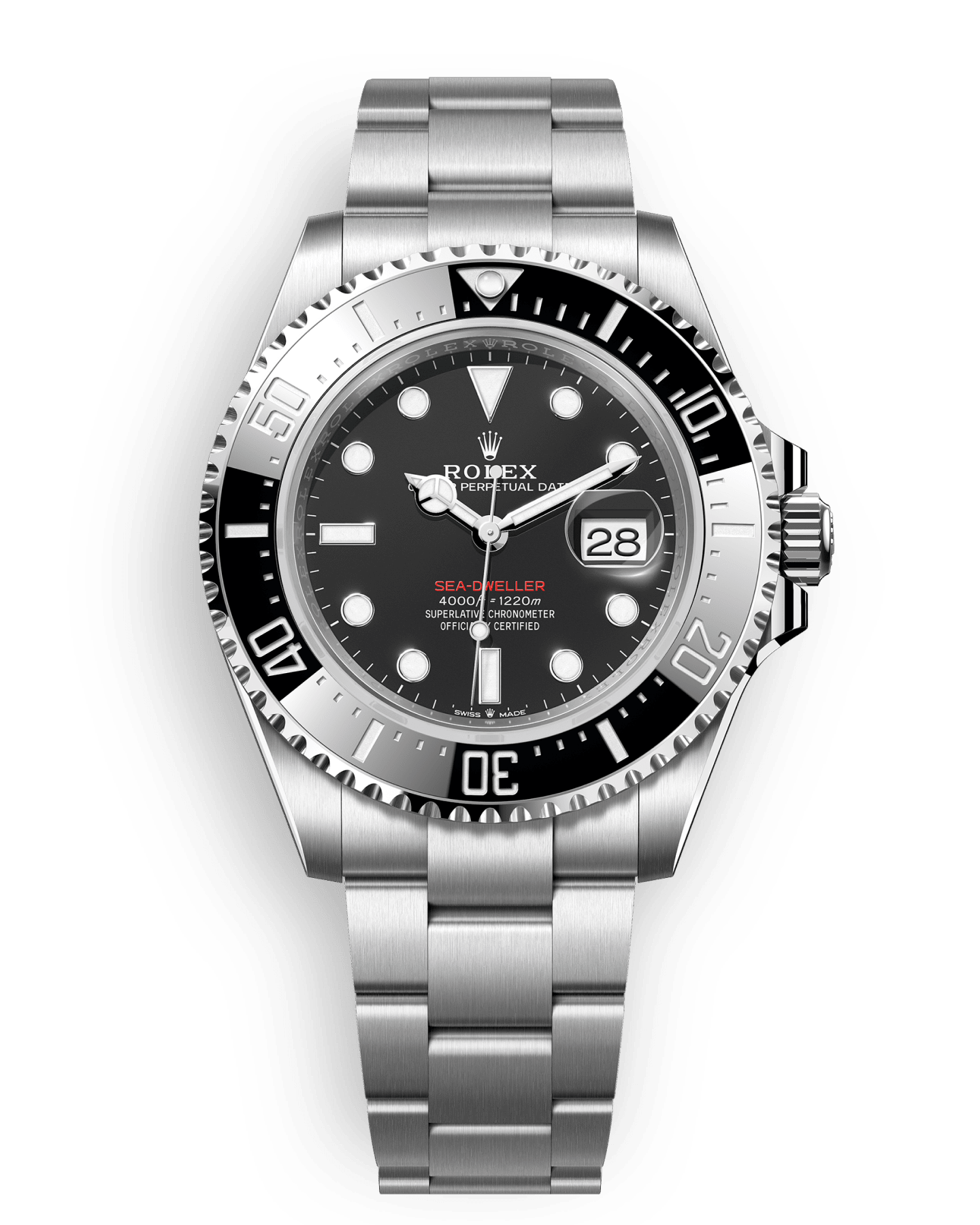
To mark the watch’s 50th anniversary, Rolex redesigned and enhanced the Sea‑Dweller. Its 40 mm diameter case was increased to 43 mm, providing a wider dial to further improve legibility. It was Rolex’s first Professional watch to feature calibre 3235, a high-performance movement. A Cyclops lens was added to the sapphire crystal, making it easier to read the date. Additionally, the dial bore the name ‘Sea‑Dweller’ in red, a reference to the first model from 1967.